


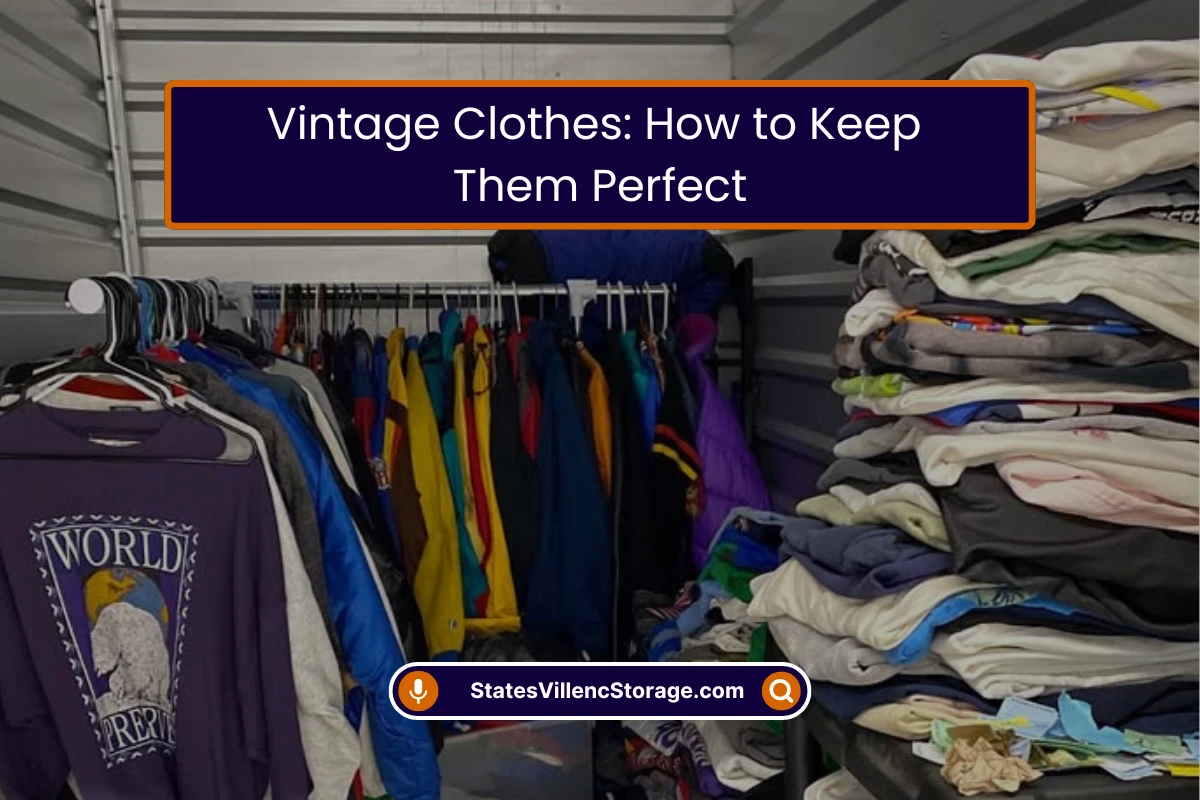
You know that feeling? You find the perfect vintage piece. That suede jacket with the fringe that swings when you walk. That silk kimono, the color of faded roses, that smells faintly of incense and someone else’s perfume. Those Levi’s that fit your hips in a way that feels like destiny. It feels like winning the lottery. You wear it out, feel invincible, and then you get home. The high fades. You stare at your closet, jammed with forgettable t-shirts and impulse buys. Where does this treasure live? Shoving it in there feels… wrong. Like putting a first-edition book in a puddle.
So you do what we all do. You give it the “special spot.” You hang it carefully in the back. You feel a flush of pride. Look at you, being responsible!
Six months later, you pull it out for a party. The shoulders of that perfect jacket have sprouted weird, pointy hanger-horns. The silk kimono has a faint, sad yellow stain where it kissed the closet wall for too long. And the jeans… why do they smell like damp earth and forgotten memories?
I have been there. I’ve wept over a beaded 1920s cardigan that became a moth family’s winter home. I’ve watched a velvet 70s dress get crushed beyond recognition. I’ve learned the hard way. So let’s talk about this, not with a curator’s cold rules, but like two people who’ve made the same mistakes.
The Cleanse (Seriously, Do It)
Here’s the ugly truth your nose gets used to: that jacket smells like the bar, your skin, yesterday’s rain, and you. If you seal all that in, it becomes part of the fabric. It turns. It yellows. It starts to smell… old. In a bad way.
So you have to clean it. But “clean” means different things.
- The Tough Stuff: Denim, sturdy cotton, linen? A gentle, cold wash. Use a detergent for darks or something mild. I hand-wash my good denim in the bathtub with a squeeze of baby shampoo. It’s therapeutic.
- The “I’m Terrified” Stuff: Silk, velvet, beading, fragile wool. This is decision time. You can find a dry cleaner you trust—and I mean really trust. Tell them it’s vintage and fragile. Show them the loose bead. Be a pain. Or, for things that just feel too delicate for human hands, you air them out. Hang them in a shady, breezy spot (never direct sun!) for a full day. Let the ghosts of the past century float away.
The Gear (Plastic is the Devil)
Those thin, crinkly dry-cleaning bags? They’re coffins. Plastic traps moisture. It doesn’t breathe. It creates a clammy little tomb for your dress.
You need simple things:
- Breathable Bags: A simple cotton or muslin garment bag. It lets the air move.
- The Right Box: If you’re folding something away, an old shipping box won’t cut it. The acid in regular cardboard will slowly eat your fabric. Go to an art supply store and get an acid-free archival box. It sounds fancy, but it’s just a better box.
- Soft Tissue: Not the shiny gift wrap stuff. Get unbleached, acid-free tissue paper. Crumple it up—softly—and use it to stuff sleeves, cushion folds, keep shapes rounded. It’s like a pillow for your clothes.
To Hang or To Fold? (A Tragedy in One Act)
This is how I murdered a perfect 80s angora sweater. I hung it. It stretched. It became a long, sad, fuzzy noodle.
HANG things that have bones: blazers, structured coats, firm dresses.
FOLD anything that sighs or stretches: sweaters, knits, silks, anything with delicate straps.
And the hanger matters. That flimsy wire one will dig permanent divots into shoulders. Use a padded hanger. For a heavy coat, a stout wooden one with a broad curve is your best friend.
The Where (The Real Headache)
This is where it all falls apart. You’ve done everything right. Cleaned, wrapped, perfect hanger. And then you tuck it into the closet in the spare room—the one that’s freezing in winter, damp in spring, and an oven by August.
Your vintage wants what you want on a perfect day: cool, dark, dry, and calm. Wild swings in temperature and humidity are torture for old fibers. They swell, they shrink, they get stressed and brittle. The attic bakes. The basement sweats. A closet on an outside wall is a rollercoaster.
And pests? Mothballs work, but then your treasure smells like a chemical factory forever. I swear by cedar blocks and little sachets of dried lavender. They smell like a peaceful cottage and bugs hate them.
Here’s My Real-World, Been-There Advice
Do the check-in. When you switch your seasonal clothes in spring and fall, open your storage. Refold things along different lines. Hold them up to the light. Give them a gentle shake. It’s a chore, but it’s less heartbreaking than a surprise disaster.
But listen. If you’re reading this in a city apartment that’s either steaming or freezing, in a house with closets that sweat, you’re not alone. Most of us don’t have a perfect, museum-quality linen closet. We have real, messy lives.
This was my crisis with my grandmother’s wedding dress. My place was too all over the place. I was scared I was its last caretaker, the one who failed.
That’s when I finally got it. Sometimes, the very best place for a treasure isn’t in your imperfect home. It’s in a space built just to protect delicate things. A proper climate-controlled storage unit isn’t a dank locker. It’s a clean, secure, consistently cool and dry room. It’s a pause button. That’s the whole idea behind what we do at Storage Solutions. Our units are for the things you truly love—the family pieces, the vintage finds, the artifacts of the life you’re building. It’s the answer for when your love for something outgrows the practicality of your space. It lets you care for it properly, without turning your home into a fortress.
Storing vintage is a promise. It’s you saying, “I see your history, and I’ll protect it, so we can have a future together.” It’s worth getting right. Now go check on that favorite piece in the back of your closet. It’s been waiting for you.










0 Comments